
Wisdom Tooth Extraction & Systemic Health After Typhoid Fever
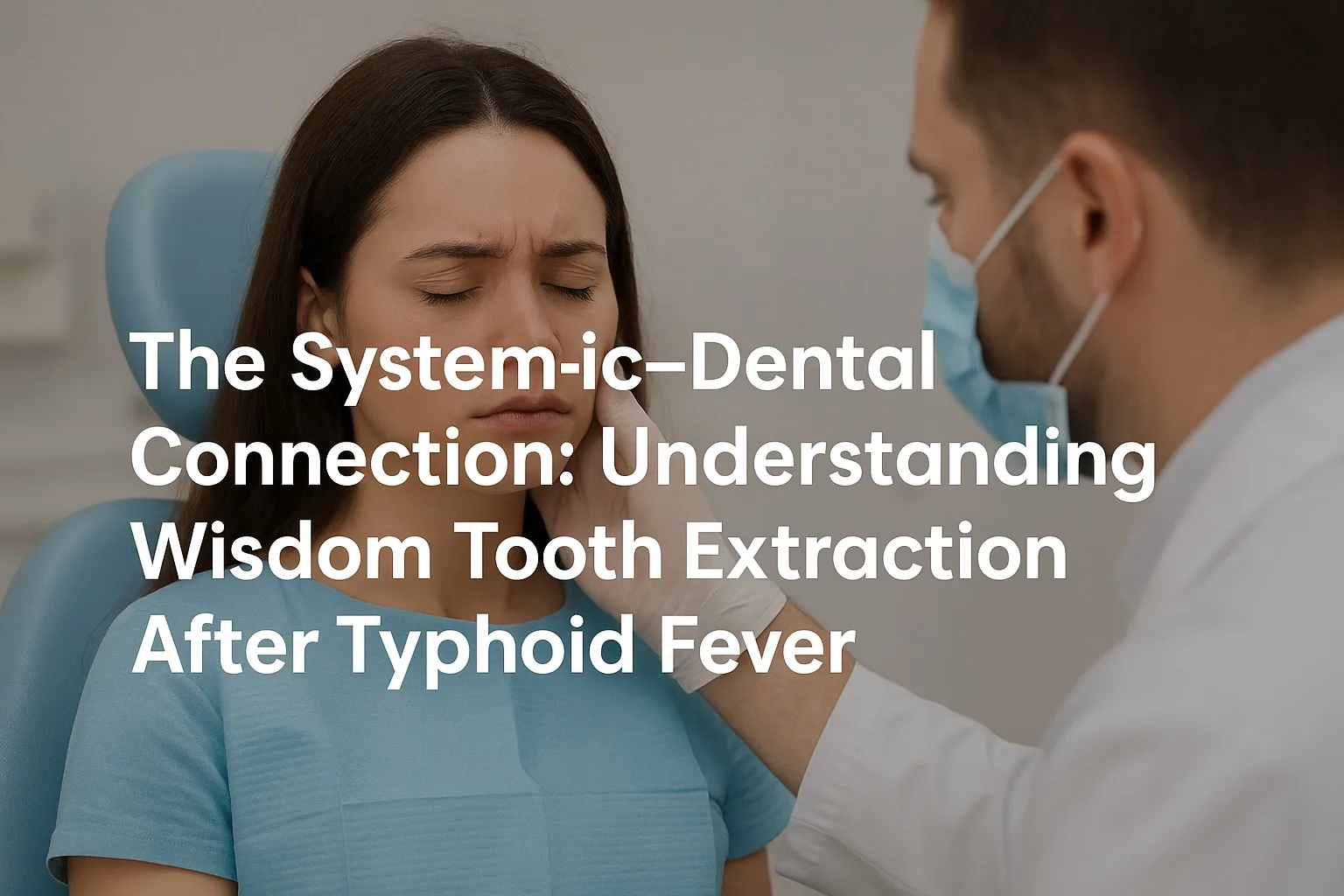
Have you ever wondered how a dental issue could impact your overall health?
A 28-year-old woman, otherwise healthy with no prior medical issues, experienced a surprising chain of events after recovering from typhoid fever. Shortly after her illness, she underwent the extraction of a painful wisdom tooth that had been bothering her even during the fever. What followed was alarming: severe insomnia, sudden anger outbursts, memory lapses, and a complete loss of appetite.
While both typhoid fever and wisdom tooth surgery are known to have their own effects on the body, this unusual combination raises important questions:
How can oral health and systemic conditions interact?
Why can post-recovery symptoms be far more complex than expected?
How Typhoid Fever Affects Oral Health & Dental Recovery
Typhoid fever itself may not directly cause dental pain, but its impact on the immune system can exacerbate existing oral health issues, making recovery from procedures like wisdom tooth extractions more challenging. Patients may experience disrupted sleep, increased irritability, or mood fluctuations during this period, all of which can slow the healing process.
This case underscores an important principle for both dental and medical professionals: oral health is deeply interconnected with overall systemic health. Successful recovery isn’t limited to the extraction site—it requires a holistic approach, including monitoring the patient’s immune function, managing stress, and addressing any underlying oral or systemic conditions. Recognizing these links ensures that care is not just reactive but preventative, ultimately supporting faster and more complete recovery.
Causes of Systemic Symptoms After Wisdom Tooth Extraction
Experts suggest several factors may have contributed to the patient’s unusual symptoms:
- Post-infectious neuropsychiatric effects: Severe infections like typhoid can sometimes affect cognitive function, mood, and sleep.
- Medication side effects: Antibiotics, painkillers, or sedatives used during recovery may impact appetite, mood, or sleep patterns.
- Psychological stress: The combined stress of illness and dental surgery can trigger anxiety, depression, or irritability.
- Nutritional deficiencies and dehydration: Poor appetite during recovery can exacerbate fatigue and cognitive issues.
Understanding these factors is key for managing complex post-extraction cases and improving patient outcomes.
Oral-Systemic Health Insights From AceDent Academy
At AceDent Academy, our research department continuously explores the interplay between systemic health, oral disease, and dental recovery. This case underscores the importance of holistic patient care, where dental, medical, and mental health factors are considered together.
For dental students and professionals, knowledge of these indirect links is essential. It helps anticipate complications, plan supportive care, and improve recovery outcomes for patients experiencing unexpected post-operative symptoms.
Download Our Free Post-Dental Surgery Recovery Guide
To help you or your patients navigate complex post-recovery scenarios, AceDent Academy offers an exclusive downloadable guide for those who sign up.
What’s Included:
- Step-by-step Recovery Checklist covering nutrition, sleep, oral care, medication, and warning signs.
- Mini-Guide on Oral-Systemic Health Links explaining how dental procedures can influence overall recovery, especially after systemic infections.
- Symptom Tracker to monitor mood, appetite, sleep, and oral healing for 1–2 weeks post-surgery.
💡 Tip: This resource is research-based, visually structured, and actionable—perfect for dental students, professionals, or patients recovering from dental procedures after illness.
📚 Sign up now to download the AceDent Academy Post-Dental Recovery Guide.
Key Takeaways: Wisdom Tooth Surgery & Systemic Illness
- Oral health and systemic conditions are closely linked, particularly during recovery from severe infections.
- Post-extraction recovery can be influenced by immune status, medications, psychological stress, and nutrition.
- Holistic monitoring, early intervention, and proper patient support improve outcomes significantly.
- Exclusive resources, like our Recovery Guide, provide practical, actionable tools for safe and effective recovery.
Dental Case Studies & Evidence-Based Research Courses
AceDent Academy offers in-depth case studies, research materials, and research-based courses designed to bridge systemic health and dental practice. Stay informed on post-extraction complications, understand oral-systemic links, and apply evidence-based approaches to patient care.